

Signs of End of Life in Dementia: What Families Need to Know
Reviewed by a dementia care specialist. Written for families and carers navigating one of life’s most difficult journeys.
Quick Summary: This guide explains the signs of end of life in dementia in plain language. It covers what end stage dementia looks like, how long it typically lasts, the role of pneumonia, and how to support your loved one with dignity and comfort. Written for families and carers.
Watching someone you love live with dementia is one of the hardest experiences a family can face. At some point, many carers begin to wonder whether the end is drawing near. Recognising the signs of end of life in dementia can feel overwhelming. But understanding what to expect can bring a small measure of peace. It can also help you ensure your loved one is as comfortable and supported as possible.
This guide is written for families, not medical professionals. It uses plain language and real examples. It covers what end stage dementia looks like, how long it typically lasts, and what you can do to help.
The Key Signs of End of Life in Dementia
Understanding the signs of end of life in dementia helps you provide better care. It also helps you prepare emotionally. Below are the main signs to look for.
1. Loss of Appetite and Difficulty Swallowing
In the days or weeks before death, most people lose all interest in eating or drinking. It is important not to force someone with dementia to eat or drink if they are not interested. Most people who are dying do not experience thirst or hunger, so they are not suffering.
At this stage, swallowing becomes challenging. As a result, the person may stop eating or drinking, leading to weight loss and dehydration.
A practical tip: try offering small sips of water on a damp sponge swab. This keeps the mouth moist and can provide comfort without forcing fluids.
2. Sleeping Much More Than Usual
It is common for people nearing the end of life to sleep for most of the day and night. As your loved one’s journey nears its end, you might notice changes like increased sleep and reduced appetite. This is a natural part of the body slowing down. It does not mean they are suffering.
Try to keep the environment calm and quiet during sleep. Soft music or familiar voices can be comforting, even when a person appears unresponsive.
3. Loss of the Ability to Speak
In the later stages of dementia, speech often becomes limited to single words or short phrases. Many individuals lose the ability to form coherent sentences or respond meaningfully to questions.
This does not mean communication has ended entirely. Touch, tone of voice, and gentle presence still matter enormously. Hold their hand. Speak softly. Tell them they are loved.
4. Becoming Bedbound
As dementia progresses, people typically lose the ability to move freely. Walking becomes difficult or impossible, and individuals may become completely bedbound.
When a person is bedbound, skin care becomes very important. Repositioning every two hours can help prevent pressure sores (also called bedsores). Ask your district nurse or care team for a pressure mattress if one is not already in place. These are often available through the NHS at no cost.
5. Changes in Breathing
Irregular breathing patterns may occur, switching from periods of rapid breathing to long pauses. This is known as Cheyne-Stokes breathing. It can be distressing to witness, but it is not usually painful for the person.
If you notice this, let the care team know. They can advise on positioning and whether any medication might help ease breathing discomfort.
6. Skin Colour Changes
Skin discolouration may appear due to decreased blood circulation, causing a bluish or mottled appearance. This is most common in the hands, feet, and knees. It is a natural sign that the body’s circulation is slowing.
Keep extremities warm with soft socks or a light blanket. Avoid electric blankets, as a person with end stage dementia cannot communicate if they are too hot.
7. Increased Agitation or Restlessness
Not everyone becomes peaceful at the end of life. Some people with dementia become more agitated or confused. Signs of pain or discomfort may include moaning or shouting, restlessness or an inability to fall asleep, grimacing, or sweating.
If you notice these signs, contact your GP or palliative care team. Some medications can help ease distress and pain in the final days. You do not have to manage this alone.
What Is End Stage Dementia?
Dementia is a progressive condition. It is ultimately fatal, but the end stage, sometimes called very severe or late-stage dementia, is when cognitive and physical functions decline most significantly.

Individuals in end stage dementia may become non-verbal, unable to recognise loved ones, and require full-time assistance with daily activities. This can be deeply distressing to witness. However, knowing what is happening can help you feel more prepared.
A person in the final stages of dementia may deteriorate gradually over several months. During this time, they will typically talk less frequently and become increasingly frail.
There is no single moment when a person “enters” end stage dementia. It is a slow and gradual process. Each person’s journey is different.
How Long Does End Stage of Dementia Last Before Death?
This is one of the most common questions families ask. Sadly, there is no simple answer.
End stage dementia typically lasts between one and three years. Several factors influence this duration, including the type of dementia, the person’s overall health, and the quality of care they receive.
People with dementia can live many years after a diagnosis. The average person with Alzheimer’s disease lives eight to ten years after diagnosis. People with vascular dementia may live around five years. For those with Lewy body dementia, the average life expectancy after diagnosis is six years.
A person in the later stages of dementia may show symptoms that suggest they are close to death, but can sometimes live with those symptoms for many months. This uncertainty is one of the hardest parts for families to cope with. Alzheimer’s Society
If your loved one has another serious condition alongside dementia, such as heart failure or cancer, it may be somewhat easier to predict the timeline. However, it is always best to speak with a GP or palliative care nurse for guidance specific to your situation.
What Are the Final Stages of Mixed Dementia?
Mixed dementia occurs when a person has more than one type of dementia at the same time. The most common combination is Alzheimer’s disease and vascular dementia. As the condition progresses, the early differences between dementia types often become less obvious.
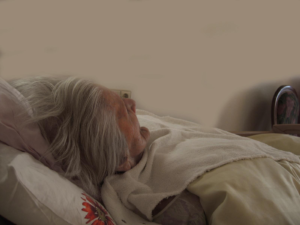
End stage dementia presents similar signs across different types, including limited speech, mobility issues, and increased frailty, though the progression and individual experiences can vary. Healthline
In other words, the final stages of mixed dementia largely look the same as the final stages of any other type of dementia. The signs described above, loss of speech, difficulty swallowing, sleeping more, and becoming bedbound, apply equally to mixed dementia.
The key difference is that mixed dementia can sometimes progress faster than one type alone. This makes early conversations with the care team about end of life wishes even more important.
Dementia and Pneumonia at End of Life
Pneumonia is one of the most common causes of death in people with late stage dementia. It is important to understand why this happens.
A person in the later stages of dementia is likely to have a weakened immune system. They are therefore more at risk of infections, which in some cases can last a long time. Pneumonia caused by an infection is one of the most common causes of death for people with dementia.
The most common type is aspiration pneumonia. This happens when food, drink, or saliva is accidentally inhaled into the lungs rather than swallowed properly. A mixed bacterial infection often causes aspiration pneumonia and can be more difficult to treat than a standard community-acquired infection.
Should Dementia Pneumonia Be Treated With Antibiotics?
This is a genuinely difficult question and one many families face. In the later stages of dementia, the body is so weak that antibiotics may not help a person live longer or feel better, and they may even cause adverse effects.
Comfort is often the main goal of care in advanced dementia, and this is an important consideration when treatment options are being discussed.
The decision about whether to treat pneumonia with antibiotics should be made with the care team, ideally based on the person’s previously expressed wishes. If your loved one has an advance care plan or a DNACPR (Do Not Attempt Cardiopulmonary Resuscitation) form, this should guide decisions. If they do not, speak with the GP as soon as possible.
How to Know If Someone Is in End Stage Dementia
Many families ask: “How do I know we are there?” There is no single test. However, as dementia progresses, a person will experience increased disorientation, restlessness, changes in sleep patterns, decreased ability to speak, increased problems with mobility, and bowel and bladder incontinence. Amedisys
Signs that a person with dementia might be approaching the end of life include reduced appetite, loss of interest in food and drink, or refusal to eat or drink.

Common symptoms seen in the last weeks of life in people with advanced dementia include pain, breathlessness, and agitation. Evidence suggests that these symptoms can be persistent, and people with advanced dementia are vulnerable to suffering if they are not identified and managed well. British Geriatrics Society
If you are unsure, ask the GP or district nurse directly. Say: “I am worried my loved one may be nearing the end of their life. Can we talk about what to expect and what support is available?” You have every right to ask this question.
What Does Good End of Life Care for Dementia Look Like?
Good end of life care focuses on comfort, not cure. Palliative care is for anyone diagnosed with a life-limiting illness. It involves making the person comfortable by managing pain and other distressing symptoms.
You may not need to move your loved one away from home to receive care, as end of life and hospice care can be provided at home. Your GP can arrange for community nurses to provide nursing care at home.
Here are some practical, low-cost steps that can make a real difference:
Keep the environment calm. Dim lighting, familiar smells, and soft music can reduce agitation. A familiar blanket or item of clothing can be deeply comforting.
Use a gentle touch. Even when a person cannot speak or respond, they may still feel your hand on theirs. This matters enormously.
Manage the mouth. Good mouth care, including keeping the lips and gums moist, can ease discomfort even when a person can no longer swallow. Use small sponge swabs dipped in water. These are inexpensive and available from pharmacies.
Ask for a syringe driver if needed. If your loved one can no longer swallow medication, a syringe driver can deliver pain relief and anti-anxiety medication under the skin. Ask the district nurse or GP about this.
Contact your local hospice for support. They can assist you and the person you are caring for by managing symptoms to ensure comfort, whether at home or in the hospice. This service is provided free of charge through the NHS.
Supporting Yourself as a Carer
It is easy to forget about yourself when caring for someone you love. However, your wellbeing matters too. In one survey, more than half of carers reported feeling they are “on duty” 24 hours a day, seven days a week during the end of life process.
This is not sustainable. Please ask for help. Your GP can refer you to a carer support worker. Dementia UK’s Admiral Nurse helpline (0800 888 6678) offers free specialist advice. You can also contact your local hospice for carer support, even if your loved one is not yet in their care.
Grief often starts before a person dies. This is called anticipatory grief, and it is entirely normal. You are not “giving up” by preparing. You are being human.
Planning Ahead: Practical Steps to Take Now
If you have not already done so, the following steps can make a significant difference:
Advance care plan: This sets out your loved one’s wishes about care and treatment. Ask the GP surgery about completing one.
DNACPR form: This documents whether the person would want resuscitation attempted. It is a medical decision, not a legal one, and should be made with the GP.
Lasting Power of Attorney (LPA): If your loved one has not already set up an LPA for health and welfare, speak to a solicitor. If they have lost mental capacity, it is now too late to set one up. However, the GP can still make decisions in their best interests.
Preferred place of death: Many people with dementia would prefer to die at home or in a care home rather than in a hospital. The majority of people with dementia in the UK die in care homes. Documenting your loved one’s wishes early means those wishes are more likely to be honoured.
A Word on What to Expect in the Final Hours
In the final hours of life, breathing often becomes irregular, with long pauses between breaths. The individual may not respond to conversation, and their hands and feet may feel cool. This is a natural part of the body’s gentle process of shutting down.
Many families find it helpful to simply sit with their loved one, talk softly, play familiar music, or read aloud. Research shows that hearing is one of the last senses to fade. Your presence is not insignificant; it is everything.
Conclusion
Recognising the signs of end of life in dementia is not easy. But understanding what to look for can help you provide better care and feel less alone. The key signs include loss of appetite, increased sleep, changes in breathing, skin colour changes, and loss of speech. Pneumonia is a common complication and requires careful, compassionate decision-making. End stage dementia typically lasts between one and three years, though this varies significantly between individuals.
Throughout this journey, focus on comfort, dignity, and connection. Ask for support from your GP, district nurse, local hospice, or Admiral Nurse. You do not have to do this alone.
If this article has helped you, share it with another family who may be facing the same questions. And if you would like more guidance on supporting someone with dementia, explore our other guides on the site.