
Summary: Vascular dementia end of life care focuses on comfort, dignity and quality of life rather than cure. Common signs include reduced eating and drinking, increased sleepiness, breathing changes and gradual withdrawal from surroundings. There is no fixed timeline, since vascular dementia often progresses unevenly, so families worldwide are encouraged to plan around the person’s needs rather than an exact date.
Free palliative support is available through national health services and dementia charities in the UK, US, Canada, Australia and many other countries.
Vascular Dementia End of Life Care: A Gentle Guide for Families
Watching someone you love reach the end of life is one of the hardest parts of the caring journey. However, understanding what lies ahead can bring real comfort. This guide explains the signs to look for, the support available and simple steps that ease distress for both the person and the family. Because every case of vascular dementia is different, this article focuses on practical guidance rather than exact predictions.
What Happens During Vascular Dementia End of Life

Vascular dementia develops when blood flow to the brain is reduced, often following a stroke or years of small vessel damage. As a result, the condition tends to progress in a stepped pattern rather than a smooth decline. This means someone may seem stable for months, then decline suddenly after a further vascular event. Consequently, families often describe the vascular dementia end of life stage as unpredictable, with good days mixed among harder ones.
Dignity and comfort stage
During this stage, the focus of care shifts. Instead of managing symptoms to slow progression, the aim becomes comfort, dignity and quality of life. Marie Curie, the UK end of life charity, explains that palliative care for dementia centres on communication, symptom relief and supporting the person’s wishes wherever possible.
Recognising the Signs of Vascular Dementia End of Life
Spotting the signs of vascular dementia end of life early allows families to plan and arrange the right support. Although symptoms vary, several patterns appear frequently in the final weeks and months.

Changes in Eating and Drinking
Reduced appetite is usually one of the first noticeable signs. The person may eat smaller amounts, lose interest in food or struggle to swallow safely. Dementia UK notes that this is a natural part of the dying process rather than a failure of care.
Therefore, families are encouraged to offer small amounts of favourite food and drink for comfort, rather than forcing full meals. Gently moistening the lips and mouth often brings more relief than pushing fluids.
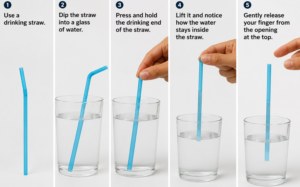
**Tip:** Use a drinking straw to demonstrate how it retains liquid. Dip the straw into a glass of water, then press and hold the drinking end of the straw. Lift it and notice how the water stays inside the straw. Gently release your finger from the opening at the top.
Breathing and Physical Changes
As the body weakens, breathing may become slower or more irregular, sometimes with short pauses. Skin can feel cooler to the touch, particularly on the hands and feet. Meanwhile, mobility often declines sharply, and the person may need full support to move or change position. These physical changes usually appear gradually, though vascular dementia can sometimes bring a sudden shift after a further stroke.
Emotional and Behavioural Signs
Increased sleepiness and reduced responsiveness are common as the vascular dementia end of life stage progresses. Some people become quieter and more withdrawn, while others show restlessness or agitation, particularly in the evening. This is sometimes called sundowning. Importantly, agitation can also signal pain or discomfort, so it is always worth checking for a simple cause such as a full bladder or an uncomfortable position first.
How Long Does Vascular Dementia End of Life Last
Families often ask how long the final stage will last, yet there is no single answer. Because vascular dementia progresses unevenly, some people decline within weeks while others remain in a stable late stage for many months or longer. Research from University College London and Marie Curie shows that prognosis in advanced dementia is genuinely difficult to predict, even for experienced clinicians. As a result, care teams generally recommend focusing on comfort and current needs, rather than trying to estimate an exact timeframe.
Caring For Someone Through Vascular Dementia End of Life at Home
Many families choose to care for their loved one at home during this stage, and with the right support, this is often possible. The following approaches are simple, low cost and widely recommended by UK dementia charities.
Practical and Affordable Comfort Measures
Keep the environment calm and familiar, since bright lights and loud noise can increase confusion and distress. Soft lighting and gentle, familiar music often help far more than any equipment. For mouth care, a soft brush dipped in tea, juice or another favourite flavour can bring comfort without the risk of choking. This method, sometimes called comfort feeding, is recommended by NHS trusts as a gentle alternative once swallowing becomes unsafe.
Additionally, a simple foam mattress topper and regular position changes help prevent pressure sores without expensive equipment. Finally, playing recordings of family voices or familiar sounds can offer reassurance, even when the person seems unresponsive.
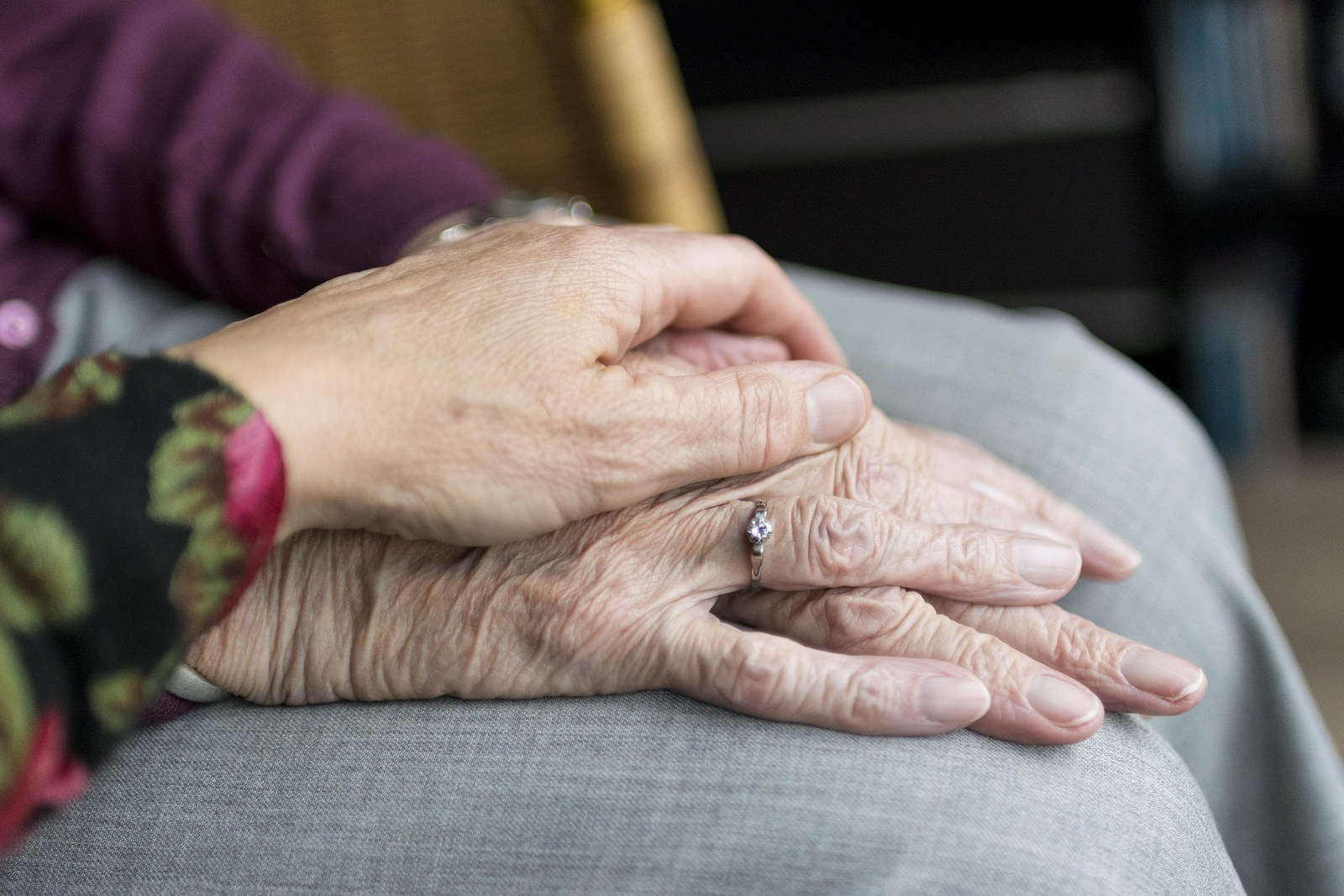
Turning to touch and presence costs nothing yet often matters most. Holding a hand, speaking softly or simply sitting nearby can ease anxiety considerably. Because hearing is thought to remain longer than other senses, continuing to talk gently to your loved one is always worthwhile.
Getting Palliative Care Support in the UK
Nobody should face vascular dementia end of life care alone, and UK families have several free options. The NHS provides palliative care through GPs, district nurses and hospital teams, and a GP can make a referral for specialist input when needed. Marie Curie offers nursing support, a free helpline and, in parts of Wales, dedicated dementia respite services.

Dementia UK’s Admiral Nurses give free, one to one advice on managing symptoms, planning ahead and coping as a carer, and can be reached through their helpline.
Age UK also offers local support for older people and their families. Sadly, research shows people with dementia are less likely to receive specialist palliative input than those with other terminal illnesses, so it is worth asking your GP directly for a referral rather than waiting for one to be offered.
An advance care plan is another valuable, cost free step. This document records the person’s wishes about treatment, place of care and what matters most to them. Completing it early, while the person can still contribute, often brings great peace of mind to the whole family later on.
Frequently Asked Questions About Vascular Dementia End of Life Care
1. What is vascular dementia end of life care?
Vascular dementia end-of-life care focuses on comfort rather than cure. It involves managing pain, easing distress and supporting dignity in the final weeks or months. Family, doctors and palliative care teams usually work together to provide this support, wherever in the world the person lives.
2. What are the signs that someone with vascular dementia is dying?
Common signs include reduced appetite, increased sleepiness and slower, weaker movement. Breathing may become irregular, and the skin can feel cooler, particularly on the hands and feet. Not everyone shows every sign, so it is best to watch for overall changes rather than one symptom alone.
3. How long does the end stage of vascular dementia last?
There is no fixed timeline, since vascular dementia often progresses unevenly. Some people decline within weeks, while others remain stable for many months. Because of this uncertainty, care teams usually recommend focusing on comfort and current needs rather than an exact date.
4. What is the difference between palliative care and hospice care?
Palliative care can begin at any stage of vascular dementia and focuses on comfort alongside ongoing treatment. Hospice care, by contrast, usually starts when a doctor expects the person has a limited time left to live. Both approaches aim to relieve symptoms and support quality of life, so families can ask a doctor which fits their situation best.
5. How is vascular dementia end of life care different from Alzheimer’s disease?
The overall approach to comfort, dignity and symptom relief is broadly the same across dementia types. However, vascular dementia often follows a stepped decline with sudden changes after a further stroke, rather than the steadier decline typical of Alzheimer’s disease. As a result, families may notice sharper shifts in ability rather than a smooth slide.
6. Is vascular dementia at the end of life care painful?
The dying process itself is not usually painful, and many people appear calm and peaceful with good care. However, pain can still occur, especially if the person cannot express it clearly. Carers are encouraged to watch for signs such as grimacing or restlessness and to raise concerns with a doctor or nurse promptly.
7. Should someone with end of life vascular dementia be given a feeding tube?
Medical guidance generally advises against feeding tubes in the final stage, since they rarely improve comfort and can sometimes cause distress. Instead, offering small amounts of favourite food and drink, purely for enjoyment, is usually kinder. This approach is often called comfort feeding.
8. Why has my loved one stopped eating and drinking?
Reduced eating and drinking is a natural and expected part of the dying process. As the body slows down, hunger and thirst naturally decrease. Although this can be distressing to witness, forcing food or fluids rarely helps and may cause discomfort instead.
9. How can I ease agitation or distress in the final stage?
First, check for simple causes such as pain, a full bladder, hunger or an uncomfortable position. A calm, familiar environment with soft lighting and gentle sound often helps considerably. If agitation continues, a doctor or palliative care nurse can advise on further support.
10. Can someone with vascular dementia still hear me near the end of life?
Many professionals believe hearing lasts longer than other senses, even when a person seems unresponsive. Therefore, speaking gently, playing familiar music or simply sitting nearby can still offer real comfort. Touch, such as holding a hand, is often reassuring too.
11. What is an advance care plan, and do we need one?
An advance care plan records a person’s wishes about treatment, place of care and what matters most to them. It is not compulsory, but it is genuinely helpful, since it guides decisions later when the person may no longer be able to communicate. A doctor or dementia nurse specialist can help you complete one.
12. Is it better to care for someone at home, in a care home, or in hospice?
There is no single right answer, since this depends on the person’s needs, family circumstances and available support. Many families successfully care for a loved one at home with help from community nurses and hospice teams. Others find a care home or hospice facility offers safer, round the clock support, particularly with complex physical needs.
13. What free or low cost support is available for families?
Support varies by country, but every family should be able to find some free help. In the UK, the NHS, Marie Curie and Dementia UK’s Admiral Nurses all offer free advice and palliative care support.
In the US, the Alzheimer’s Association runs a free 24 hour helpline, and the National Hospice and Palliative Care Organisation helps families find local hospice services.
In Canada, the Alzheimer Society of Canada offers a national helpline, and Canadian Virtual Hospice provides free online guidance.
In Australia, Dementia Australia’s National Dementia Helpline runs 24 hours a day, and Palliative Care Australia can help locate local services.
A GP or family doctor is usually the best first step anywhere in the world, since they can refer families to local palliative care teams.
14. When should I call a doctor or nurse for someone at this stage?
Contact a doctor or nurse if you notice new pain, breathing difficulty, distress that will not settle, or a sudden change in condition. Many countries also offer an out of hours health line for urgent, non emergency advice. It is always better to ask for help early rather than wait.
Final Thoughts on Vascular Dementia End of Life Care
Caring for someone with vascular dementia at the end of life is deeply challenging, yet you are not expected to manage it perfectly or alone. Small, thoughtful actions such as gentle mouth care, calm surroundings, and simply being present often matter more than any medical intervention. Furthermore, free UK support through the NHS, Marie Curie and Dementia UK can guide you through each stage with confidence. Above all, focusing on comfort and connection allows both you and your loved one to face this final chapter with dignity and care.
What is the Life Expectancy of Frontotemporal Dementia?
Primary Progressive Aphasia Life Expectancy
Dementia Eating Issues and Life Expectancy
“Get trusted advice on dementia care at home and practical tips for caring for someone with dementia at home –all in one place.”