

Summary: Living alone with frontotemporal dementia FTD is risky because the condition often damages judgement before it damages memory. A person may not realise they are in danger. Common dangers include kitchen fires, missed medication, financial scams, falls, getting lost, and going without food. Low cost tools such as key safes, gas shut off valves, GPS trackers, and regular check in calls can reduce these risks and help someone stay at home for longer.
Frontotemporal dementia often strikes younger people, sometimes in their fifties. It changes behaviour and language long before it touches memory. For families in the UK, this raises a worrying question. Is it safe for someone with this diagnosis to carry on living alone? This guide looks honestly at the dangers of living alone with frontotemporal dementia FTD, and shares practical, affordable ways to reduce the risks.
What Is Frontotemporal Dementia FTD?
FTD damages the frontal and temporal lobes, the areas behind the forehead and ears that control judgement, planning, and language. Alzheimer’s Society notes that FTD is mostly diagnosed in people under 65, and usually appears as personality change or language trouble rather than memory loss. This is exactly why living alone with frontotemporal dementia FTD is so hard to manage. A person can look and sound well, while their ability to keep themselves safe has already declined.

A Unique Symptom of Frontotemporal Dementia FTD
If there is one symptom that sets FTD apart, it is the loss of insight. Someone with FTD often has no idea their behaviour has changed. They will not notice they left the cooker on, or that they gave money to a stranger on the phone. Dementia UK explains that this lack of self awareness is common in behavioural variant FTD, the most frequent type.
This single symptom explains much of the danger, since a person cannot protect themselves from a risk they cannot see. That is very different to early Alzheimer’s, where many people remain aware that something is wrong.
A Unique Symptom of Frontotemporal Dementia FTD
If there is one symptom that sets FTD apart, it is the loss of insight. Someone with FTD often has no idea their behaviour has changed. They will not notice they left the cooker on, or that they gave money to a stranger on the phone. Dementia UK explains that this lack of self awareness is common in behavioural variant FTD, the most frequent type.
This single symptom explains much of the danger, since a person cannot protect themselves from a risk they cannot see. That is very different to early Alzheimer’s, where many people remain aware that something is wrong.
A practical, low cost fix: since the person cannot self-monitor, the safeguard needs to sit outside them. A video doorbell, often available free through council trading standards schemes or from around £30, lets families see who is calling without the person having to judge a stranger’s intent. Setting up a Lasting Power of Attorney early, while capacity is still intact, costs £92 per document through the Office of the Public Guardian, or nothing at all for those on certain means-tested benefits. This is far cheaper than a Court of Protection application later.
The Gait Seen in Frontotemporal Dementia FTD
Not everyone with FTD develops walking problems, but many eventually do. The NHS and the National Institute on Aging note that some forms of FTD overlap with conditions such as motor neurone disease, corticobasal syndrome, and progressive supranuclear palsy, causing a stiff, slow, or unsteady gait. For someone living alone, this, combined with poor insight, is a dangerous mix. They may attempt stairs or slippery floors without any sense of caution.
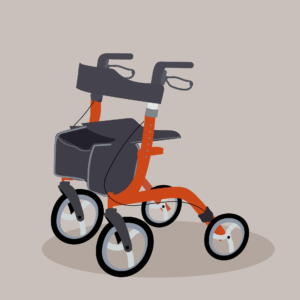
A practical, low cost fix: a free NHS occupational therapy referral, arranged through the GP or a council care needs assessment, can spot fall risks in the home at no cost. Cheap changes often follow, such as removing loose rugs, fitting a grab rail near the bath or stairs for around £15 to £20, and adding a motion sensor night light for about £10, so a nighttime trip to the bathroom is safer.
Does Frontotemporal Dementia Affect Personality?
Yes, and this is usually the first thing families notice. The frontal lobes control impulse control, empathy, and social judgement. Once damaged, a person may become blunt, selfish, or impulsive, and may act inappropriately in public. This matters hugely for someone living alone with frontotemporal dementia FTD. Disinhibition can lead to reckless spending or trusting a cold caller. Apathy can lead to the opposite problem, where a person stops answering the door or phone.
A practical, low cost fix: a trueCall call blocker stops most scam and cold calls before they ever reach the phone. Many councils, including Northumberland and East Renfrewshire, loan these out free through their trading standards teams, and the device costs around £110 to buy where a free loan is not available. For apathy and withdrawal, a free weekly befriending call from Age UK or a local Age Concern branch keeps gentle contact going without the cost of a paid carer visit.
Does Frontotemporal Dementia Affect Appetite?
Appetite changes are common in FTD, more so than in most other dementias. The UK Dementia Research Institute reports that people often crave sweet foods, overeat, or eat the same meal repeatedly. For someone living alone, overeating without moderation can affect health over time. Others swing the other way and forget to eat altogether, especially once planning skills decline.
A practical, low cost fix: a simple visual reminder card by the fridge, or a basic kitchen timer, helps with forgetting to eat. For overeating or unsafe cooking, pre-portioned supermarket meals or a modest delivery service such as Wiltshire Farm Foods cut both the fire risk and the temptation to snack, usually for a few pounds per meal.
Does Frontotemporal Dementia Affect Communication?
Yes. Some people develop primary progressive aphasia, where finding the right word becomes a daily struggle. Speech can grow hesitant, and sentences shorter as the condition progresses.
This creates a quiet but serious danger. A person struggling to communicate may not explain a symptom to a GP or call for help in an emergency. Living alone with frontotemporal dementia FTD becomes riskier once speech starts to fail.

A practical, low cost fix: speech and language therapy is free on the NHS once a GP makes a referral. In the meantime, a laminated card in a wallet or by the phone, stating the diagnosis and a family contact number, costs almost nothing and helps paramedics or shopkeepers respond correctly if the person struggles to explain themselves.
How Does Frontotemporal Dementia Progress?
FTD usually develops slowly, over several years. The NHS states that most people experience problems in both behaviour and language eventually, even if only one appeared first. As the illness advances, physical symptoms often follow, including slower movement and difficulty swallowing. Average survival after symptoms begin is around eight to ten years, though this varies widely.
The danger of living alone with frontotemporal dementia FTD grows steadily worse over time. A situation that feels manageable this year may not be manageable next year.
A practical, low cost fix: the cheapest safeguard here is a standing habit, not a product. A free annual dementia review with the GP, alongside a free carer’s needs assessment from the council, tracks changes before they become emergencies. A free Admiral Nurse consultation through Dementia UK can also flag when it is time to add a telecare pendant alarm, which typically costs £3 to £5 a week.
How Is Frontotemporal Dementia Different From Other Dementias?
The biggest difference is the order in which symptoms appear. Alzheimer’s disease usually begins with short term memory loss. FTD usually begins with changes in behaviour, personality, or speech, while memory often stays intact for longer. FTD also tends to affect younger people, often between 45 and 65.
This is exactly why living alone with frontotemporal dementia FTD is so uniquely risky. Standard dementia safety advice, built mainly around memory loss, does not always fit.

A practical, low cost fix: the most cost effective step is getting the right specialist input early. Rare Dementia Support runs free FTD specific groups, and their guidance tends to be more accurate for this condition than generic dementia advice, which can waste money on the wrong kind of help, such as memory prompts when the real risk is judgement.
Why Living Alone With Frontotemporal Dementia FTD Is So Risky
Pulling these symptoms together, several clear dangers stand out. Each one grows more serious when there is nobody else in the house to notice it.
– Fire and cooking accidents. Poor planning and impulsivity raise the risk of a cooker being left unattended. Because insight is often lost early, they may not notice until smoke fills the room.
– Financial harm. Disinhibition and lack of insight make it easy to hand money to a doorstep caller or a scam. Family often only notice once several payments have already left the account.
– Getting lost. Confusion around familiar routes can appear suddenly, even while short term memory stays sharp. A person may set off on a routine walk and lose their bearings nearby.
– Missed meals or medication. Planning problems can cause a daily routine to fall apart within weeks. A person may skip breakfast entirely, or take a dose of medication twice by mistake.
– Falls. Gait changes, particularly where FTD overlaps with a motor condition, raise the risk of injury. A fall that goes unnoticed for hours is far more dangerous when someone lives alone.
– Delayed emergency response. Communication difficulty can make it harder to call for help or explain what has happened. Even dialling 999 can become a struggle once word finding grows difficult.
– Social withdrawal. Apathy and personality change often lead a person to stop reaching out to others. This means warning signs can go unnoticed for weeks or months at a time.
Taken together, these risks show why living alone with frontotemporal dementia FTD needs closer attention than many families expect. None of these dangers act alone either. A fall can go unnoticed for longer because of withdrawal, and a missed meal can follow straight after a scam call has caused distress. This is what makes FTD harder to plan for than dementias where memory loss is the main concern.

Research in the Journal of Long-Term Care confirms this, showing that people with dementia living alone face a higher risk of unmet needs and hospital admission than those with support close by.
More Ways to Stay Safe at Home
None of this means someone must leave home the moment they receive a diagnosis. On top of the fixes above, a gas valve limiter or automatic cooker shut off switch costs little and prevents a hob from being left on by accident, and many fire services offer free home safety visits to fit one. A key safe near the front door lets trusted neighbours or carers get in quickly without the cost of replacing locks, and a small GPS tracker or smartwatch with location sharing lets family check someone’s whereabouts for less than a monthly phone bill.
Dementia UK and the Alzheimer’s Society both offer free guidance on adapting a home to these kinds of risks.
In Short
FTD is unusual because it damages judgement and insight before memory. This makes living alone with frontotemporal dementia FTD genuinely risky, from fire hazards and scams to falls and missed meals. Thankfully, many of these dangers can be reduced with affordable tools like key safes, GPS trackers, and regular check in calls. With the right support, many people can continue living safely at home for longer than families expect.
Frequently Asked Questions (FAQ)
What is a unique symptom of frontotemporal dementia?
Loss of insight. Many people are unaware that their behaviour or judgement has changed.
What is the gait like in frontotemporal dementia?
It can become slow, stiff, or unsteady, particularly where FTD overlaps with a motor condition.
Does frontotemporal dementia affect personality?
Yes. Changes in impulse control, empathy, and social behaviour are often the earliest symptoms.
Does frontotemporal dementia affect appetite?
Yes. Many people crave sweet foods or overeat, while others forget to eat altogether.
Does frontotemporal dementia affect communication?
Yes. Word finding difficulty and shorter sentences are common, especially in language led forms of FTD.
How does frontotemporal dementia progress?
Gradually, usually starting with behaviour or language changes, before affecting memory and movement later.
How is frontotemporal dementia different from other dementias?
It usually starts with personality or language changes rather than memory loss, and often affects younger people.
“Get trusted advice on dementia care at home and practical tips for caring for someone with dementia at home –all in one place.”