
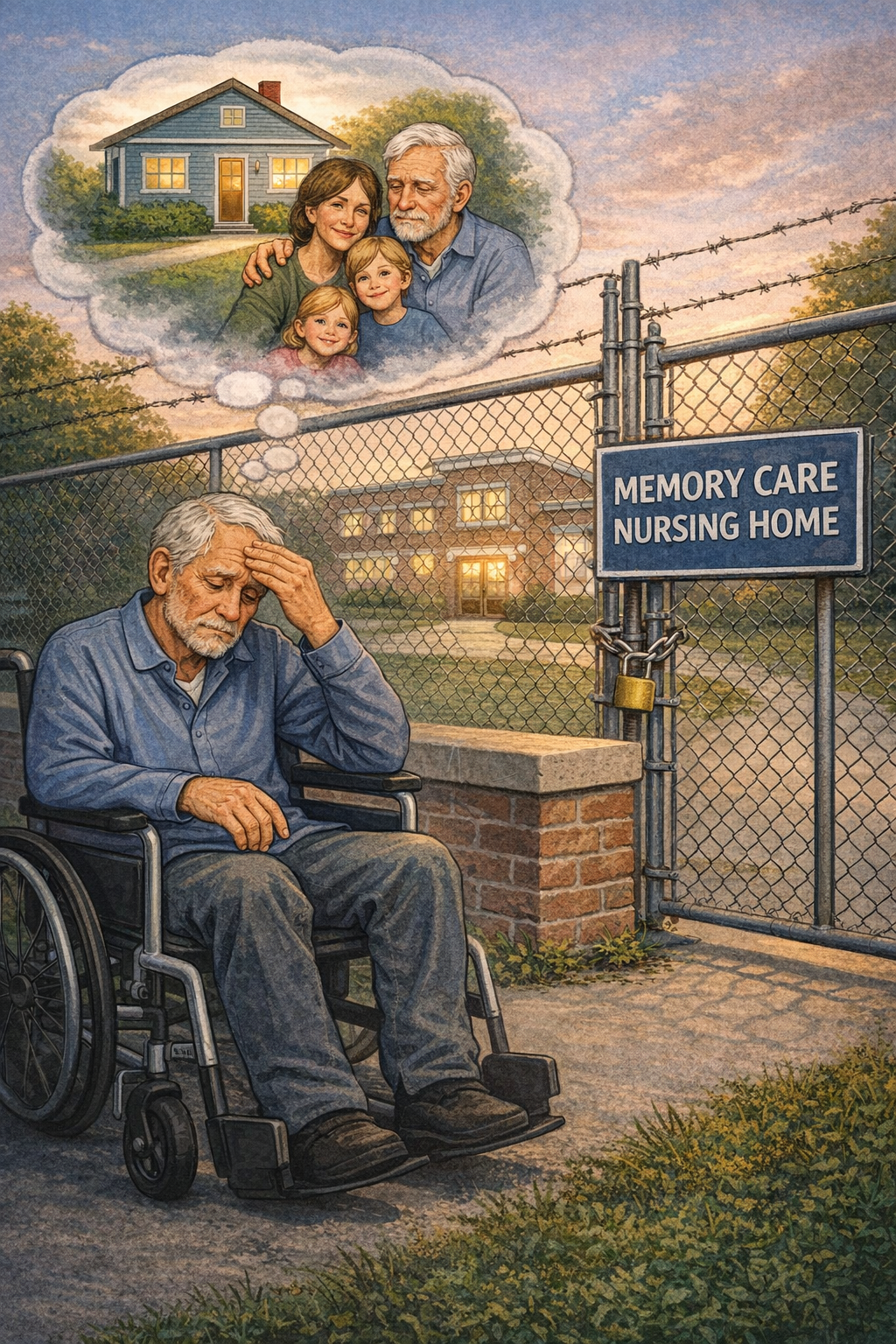
Why do dementia patients refuse to go into a memory care nursing home?
Introduction
Understanding why do dementia patients refuse to go into a memory care nursing home? It is the first step toward reducing conflict and distress. When families understand the emotional and practical reasons behind refusal, they can respond with patience and compassion. This guide explains those reasons clearly and offers trusted, practical solutions to help families plan care with confidence, dignity, and trust.
This question troubles many families caring for a loved one with dementia. The refusal can feel upsetting, confusing, and exhausting. Often, families know care is needed, yet the person strongly disagrees. This situation creates stress, guilt, and fear for everyone involved.
Dementia changes how a person understands their world. As a result, new places can feel unsafe and frightening. A memory care nursing home may seem unfamiliar, noisy, and overwhelming. At the same time, home feels comforting and secure, even when it is no longer safe. Many people fear losing independence, routines, and control over daily life. Others may not recognise their condition or believe they need help.
Understanding dementia care refusal
Before asking Why do dementia patients refuse to go into a memory care nursing home?, we must understand dementia itself.
Dementia is known to affect memory, reasoning, and judgment. Because of this, people may not see their own needs clearly. As a result, they may believe care is unnecessary.
In addition, change becomes harder as dementia progresses.
New places feel threatening rather than supportive. Therefore, refusal often becomes a form of self-protection.
Families may feel hurt or frustrated. However, refusal is usually driven by fear, not choice.
Loss of familiarity and safety
Home feels safe to someone with dementia. It holds memories, routines, and comfort.
Memory care nursing homes feel unfamiliar. Strange faces and new rooms can cause distress. Therefore, the person may resist strongly.
This explains why do dementia patients refuse to go into a memory care nursing home? so often.
Even a kind care home can feel overwhelming. Noise, movement, and schedules may feel confusing. As a result, the person may want to stay home.
Fear of losing independence
Many people fear losing control over their lives. Dementia already takes away independence slowly.
Moving into care can feel like giving up freedom. They may fear being told what to do daily. Therefore, refusal becomes a way to protect dignity.
In addition, older beliefs about care homes still exist. Some think care homes mean the end of life. This belief increases resistance to memory care.
Dementia and denial of care needs
Denial is common in dementia. Many people cannot recognise their condition.
This lack of insight is called anosognosia. It is a brain change, not stubborn behaviour. Therefore, reasoning often fails.
A person may believe they are coping well. They may not see safety risks at home. As a result, they refuse care strongly.
Understanding this helps families respond with compassion.
Fear of abandonment by family
Some people believe moving into care means their family will leave. This fear is very real to them.
They may worry about fewer visits. They may fear being forgotten. Therefore, they resist moving away from loved ones.
Reassurance is vital during discussions. Clear promises help reduce anxiety.
Past negative experiences with care
Some people have seen poor care before. Others may remember hospital stays negatively.
These memories influence current fears. Even old experiences can shape behaviour. Therefore, resistance may be rooted in past trauma.
Families should listen carefully to these concerns.
Validating feelings builds trust.
Why do dementia patients refuse to go into a memory care nursing home? – Communication difficulties
Dementia affects the understanding of language. Long explanations can confuse or overwhelm.
When communication feels rushed, fear tends to increase. As a result, refusal becomes stronger.
Clear, calm, and simple language helps. Gentle repetition is often needed.
This supports better care acceptance over time.
Emotional attachment to home
Home holds emotional meaning. It represents identity and history.
Leaving home may feel like losing oneself. Therefore, moving feels deeply personal.
This emotional loss explains why do dementia patients refuse to go into a memory care nursing home? It is not about the building; it is about what home represents.

Family stress and rushed decisions
Families often reach crisis points. Sudden falls or illness force quick choices.
However, rushed decisions increase resistance. The person may feel ignored or pushed.
Early planning reduces fear. Gradual conversations work better.
Practical solutions to reduce refusal
Understanding reasons helps shape solutions. Below are trusted approaches used by professionals.
Start conversations early
Talk about care before a crisis hits. Early discussions feel less threatening.
Use gentle language and open questions. Repeat conversations calmly over time.
This builds familiarity with the idea of care.
Use positive language
Avoid words like home or placement. Instead, talk about support and comfort.
Focus on safety and wellbeing. Explain the benefits slowly and clearly.
Positive framing reduces fear.
Involve the person in decisions
Choice matters, even in small ways. Let them visit care homes if possible.
Allow them to choose room items. Involvement increases acceptance.
This restores some sense of control.
Visit memory care homes gradually
Short visits reduce anxiety. Start with coffee or activities.
Familiar faces help build trust. Over time, the place feels safer.
This often eases the transition.
Reassure family involvement
Promise regular visits clearly. Explain how the family stays involved.
Use calendars or photos for reassurance. Consistency builds emotional security.
Seek professional support
Dementia nurses and social workers help. They offer expert guidance and mediation.
Sometimes advice carries more weight externally. Professional voices add authority.
This improves trust and acceptance.
Address emotional concerns first
Do not argue facts. Focus on feelings instead.
Say you understand their fear. Reassurance matters more than logic.
This approach reduces resistance.
When refusal becomes unsafe
Sometimes refusal puts safety at risk. Falls, wandering, or missed medication increase danger.
In these cases, urgent support is needed. Mental capacity assessments may help.
Decisions should follow legal guidance. Always act in the person’s best interest.
Professional advice is essential here.
Experience from dementia care professionals
As dementia care specialists, we see this daily. Refusal is one of the most challenging obstacles.
However, patience often brings progress. Small steps matter greatly.
Families who listen see better outcomes. Those who rush face more distress.
Experience shows kindness works best.
Expertise backed by research
Research confirms care refusal is common. Studies link refusal to fear and confusion.
Person centred care reduces resistance. Emotional validation improves cooperation.
Evidence supports gradual transitions.

Authoritative guidance for families
Trusted organisations advise early planning. They recommend clear communication.
Professional standards stress dignity and choice. These principles guide good dementia care.
Following them builds trust.
Building trust throughout the process
Trust grows through honesty and reassurance. Never make false promises.
Explain changes simply and truthfully. Consistency builds confidence.
Trust makes acceptance more likely.
Supporting family carers emotionally
Carers often feel guilt and doubt. These feelings are normal.
Support groups help reduce isolation. Professional counselling may help.
Carer wellbeing matters too.
Why do dementia patients refuse to go into a memory care nursing home? – Common mistakes to avoid
Avoid arguing facts. Avoid forcing sudden moves.
Avoid threats or ultimatums. Avoid ignoring emotional needs.
These increase resistance greatly.
When acceptance finally happens
Acceptance may come slowly. It often follows increased support.
Once settled, many feel safer. Quality care improves daily life.
Families often see relief over time.
Conclusion
So, why do dementia patients refuse to go into a memory care nursing home?
The answer is rarely simple or selfish.
Dementia changes how a person feels, thinks, and understands safety. Because of this, change often feels frightening and threatening. Home feels familiar, while memory care feels unknown and unsafe.
Fear of losing independence plays a strong role. Denial of care needs also affects many people with dementia. In addition, emotional attachment to home can be very powerful.
However, refusal does not mean families are doing something wrong. It means the person needs reassurance, patience, and respect. Listening first often reduces resistance later.
Early planning makes conversations easier. Clear, calm communication builds trust over time. Professional support also helps families make safer decisions.
Understanding why do dementia patients refuse to go into a memory care nursing home? allows families to act with compassion. With the right approach, transitions can become calmer, safer, and more dignified for everyone involved.
“Get trusted advice on dementia care at home and practical tips for caring for someone with dementia at home—all in one place.”