
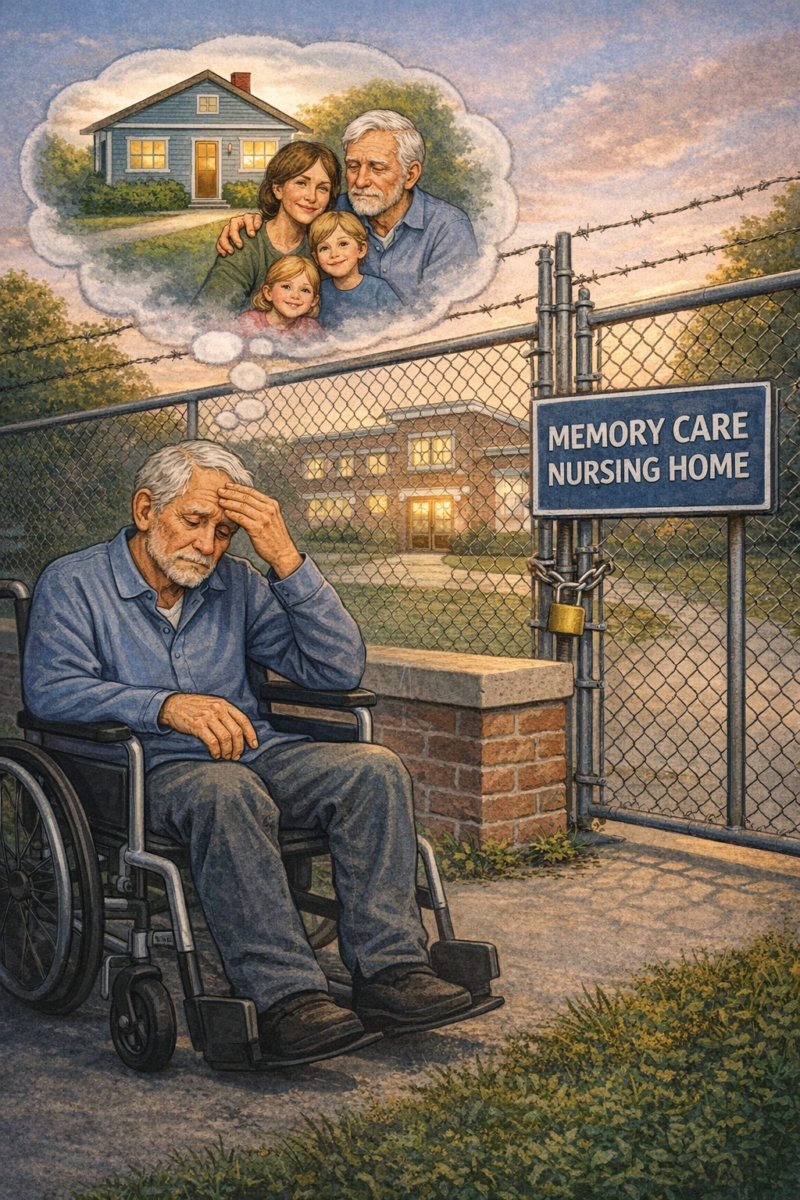
Why Is a Dementia Patient Refusing to Go Into a Care Home?
SUMMARY:
A dementia patient refusing to go into a care home is usually not being stubborn. Dementia changes how the brain reads danger, so home feels safe, and a care home feels frightening. Fear, confusion, and a loss of independence are the main causes. Gentle honesty, small steps, and early planning tend to work better than pressure or argument.
Introduction
If your loved one is refusing care, you are not alone. In fact, this is one of the most common struggles that most families face. A dementia patient refusing to go into a care home can leave everyone feeling stuck, guilty, and worn out. However, once you understand what is really going on, the path forward gets much clearer.
Dementia slowly changes how a person sees the world. Because of this, new places can feel threatening rather than helpful. A care home may seem strange, loud, and full of unfamiliar faces. Home, meanwhile, still feels safe, even when it is no longer the safest option. This guide explains why a dementia patient refusing to go into a care home happens so often, and what you can actually do about it.
Common Reasons a Dementia Patient Refusing to Go Into a Care Home
Several things usually sit behind this refusal. Understanding each one helps you respond with patience instead of frustration.
Loss of a familiar and safe space
Home holds years of memories and routine. As a result, it feels far safer than any new building, however nice that building might be. A care home, by contrast, means new faces, new sounds, and a new daily rhythm. Naturally, this can feel overwhelming at first.
Fear of losing independence
Dementia already takes away small freedoms over time. Therefore, moving into care can feel like losing the last of them. Many people worry about being told what to do all day. So, refusal can become a way of holding onto dignity.
Not recognising the need for help
Many people with dementia genuinely cannot see their own risks. This is called anosognosia, and it is a brain change, not stubbornness. Because of this, facts and logic rarely change their mind. Gentle reassurance usually works far better than argument.
Fear that family will disappear
Some people believe that moving into care means their family will stop visiting. This fear feels very real to them. Consequently, clear and repeated promises about visits matter enormously.
Sundowning and evening confusion
Sundowning causes increased confusion and agitation in the late afternoon and evening. According to Dementia UK, it affects around one in five people with dementia. During these episodes, a person may insist on going home, even while they are already there. This daily pattern can make any new place feel even more frightening.
Warning Signs That a Dementia Patient Refusing to Go Into a Care Home Still Needs Help

Refusal does not always mean it is safe to wait. Watch for these signs that support is needed soon.
- Skipping meals or forgetting to eat, which can lead to malnutrition
- Missing medication, which can cause serious health problems
- Wandering outside, especially at night
- A noticeable drop in washing, dressing, or personal hygiene
- Sudden aggression, hallucinations, or extreme agitation
- Carer exhaustion. Your own wellbeing matters just as much
- A GP or specialist recommending residential care
If you notice three or more of these signs, speak to your loved one’s GP soon. Early conversations are always easier than crisis decisions.
How to Help a Dementia Patient Refusing to Go Into a Care Home
There is no single script that works for every family. Still, some approaches consistently help.
Start the conversation early. Talking about care before a crisis hits feels far less threatening. Repeat the conversation gently, rather than trying to settle it in one go.
Choose your words with care. Try talking about support, comfort, and safety instead of the word home. Soft language reduces fear considerably.
Offer small choices. Let your loved one pick a room, choose photos, or pack familiar items. Small choices help restore a sense of control.
Visit gradually. Short visits for tea or an activity help build familiarity. Over time, the place starts to feel less strange.
Bring in outside help. Admiral Nurses, GPs, and social workers can offer guidance that sometimes carries more weight than family advice alone.
Focus on feelings, not facts. Saying, I understand this feels scary, usually works better than listing reasons why care is needed.

Practical and Cost Effective Ways to Support the Move
Money worries often add extra stress on top of an already hard decision. Fortunately, several UK support options can ease the cost.
Attendance Allowance is not means tested, so most people over State Pension age can claim it while self funding care. In 2026, this is worth up to £114.60 a week at the higher rate. If your council later takes over funding, Attendance Allowance usually stops after 28 days, so tell the Department for Work and Pensions promptly.
If savings and assets fall below £23,250 in England, your local authority may fund part or all of the fees, following a financial assessment. It is worth requesting this assessment even if you expect to self fund at first, since circumstances can change quickly.
Free, expert advice is also available at no cost. Dementia UK’s Admiral Nurses offer one to one guidance by phone. Age UK and the Alzheimer’s Society both run local support groups and helplines for families making this decision. A short respite stay, often just one or two weeks, can also let your loved one try a care home without any long term commitment. Many families find that this trial period reduces resistance considerably.
When Refusal Becomes a Safety Risk
Sometimes refusal puts your loved one in real danger. Falls, wandering, or missed medication can escalate quickly. In these situations, a mental capacity assessment may be needed to decide the safest next step. This process should always follow proper legal guidance and act in your loved one’s best interest. A GP, a social worker, or the NHS website can point you toward the right support.
Conclusion
So why is a dementia patient refusing to go into a care home so often? The answer is rarely about being difficult. Dementia changes how a person understands safety, independence, and home itself. Because of this, resistance is usually rooted in fear rather than defiance.
However, understanding these reasons gives families a real way forward. Early planning, gentle language, and small trial visits all reduce distress over time. Free support from Dementia UK, Age UK, and the Alzheimer’s Society can ease both the emotional and financial load. With patience and the right help, a dementia patient refusing to go into a care home can often be gently supported toward a safer, more comfortable future.
Quick Questions Families Often Ask
Why does a dementia patient refusing to go into a care home say they want to go home, even when they are at home?
This usually points to sundowning or general confusion, not unhappiness with their surroundings. Reassurance and gentle distraction tend to help more than correcting them.
Can Attendance Allowance help pay for a care home?
Yes, if your loved one is self funding. It is not means tested and can be claimed regardless of savings or income.
Where can families get free advice in the UK?
Dementia UK’s Admiral Nurses, Age UK, and the Alzheimer’s Society all offer free, confidential guidance for families facing this decision.
*Sources: NHS, Dementia UK, Age UK, Alzheimer’s Society. This guide is reviewed against current NHS and Dementia UK guidance and reflects everyday experience supporting UK families through this decision.*
Evidence supports gradual transitions.
“Get trusted advice on dementia care at home and practical tips for caring for someone with dementia at home—all in one place.