

Summary: Adaptive clothing for dementia and Alzheimer’s patients should change as the condition progresses. In the early stage, most people can still choose their own outfit, dress themselves, and put worn clothes away, though they may need a gentle reminder about matching colours or the weather.
In the middle stage, carers usually need to help pick out clothing, put on underwear and continence products, and manage light grooming such as shaving or brushing hair. Extra clothing layers are also common at this stage, since dementia can affect how the body senses temperature.
This guide explains what adaptive clothing looks like at each stage, along with real costs, common mistakes, and answers to the questions carers ask most.
Why Adaptive Clothing for Dementia and Alzheimer’s Patients Matters
Getting dressed sounds simple. However, for someone living with dementia, it can become one of the hardest parts of the day. I spent several years caring for my own father after his Alzheimer’s diagnosis. Dressing him each morning often took over half an hour. Buttons defeated him, and zips confused him completely. Therefore, I started looking for a better way. That search led me to adaptive clothing for dementia and Alzheimer’s patients.
Traditional clothing relies on skills that dementia slowly takes away. For instance, fastening a button needs fine motor control and memory of the right order. As the condition progresses, both become harder to manage. Consequently, dressing can turn into a daily struggle for everyone involved.
What Is Adaptive Clothing for Dementia and Alzheimer’s Patients?
Adaptive clothing for dementia and Alzheimer’s patients is ordinary looking clothing with small, thoughtful changes. In short, it swaps fiddly fastenings for simple ones and removes anything that might irritate the skin or cause confusion.
Common features include:
- Magnetic buttons hidden behind fabric that look just like real buttons
- Velcro fastenings used instead of zips or hooks
- Elastic waistbands that need no fastening at all
- Wide neck and arm openings that ease dressing panic
- Soft, tagless fabrics that feel gentle against older skin
Moreover, most people cannot tell adaptive dementia clothing apart from standard clothing. This means dignity stays fully intact, even as the clothing does more of the work.
What Makes Adaptive Clothing Different For Dementia Patients?
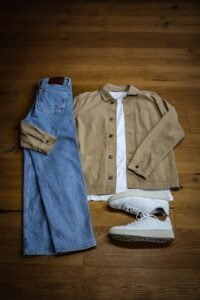
Adaptive clothing for dementia patients features thoughtful modifications. These changes simplify dressing whilst maintaining a normal appearance. In fact, most people cannot tell the difference between regular clothes.
Key Features That Help
Magnetic Closures: These clever fasteners look like regular buttons. However, they snap together easily without requiring precise finger movements. Therefore, even someone with tremors can manage them independently.
Open-Back Designs: Shirts and dresses that open at the back allow carers to dress someone without pulling clothing over their head. This reduces confusion and makes the process much gentler.
Elastic Waistbands: Pull-on trousers eliminate the need for buttons or zips. Consequently, toileting becomes quicker and less stressful.
Velcro Fastenings: Hidden behind decorative buttons, Velcro provides easy opening and closing. Moreover, it requires minimal dexterity to use.
Soft, Breathable Fabrics: Materials like bamboo and brushed cotton feel comfortable against ageing skin. Additionally, they help regulate body temperature throughout the day.
When Should You Start Using Adaptive Clothing for Dementia and Alzheimer’s Patients?
There is no single moment to switch. However, certain signs suggest it is time to consider adaptive clothing for dementia and Alzheimer’s patients.
Signs It Is Time to Change
Watch for these behaviours, which often appear as dementia progresses:
- Struggling with buttons or zips for several minutes
- Putting clothes on backwards or inside out
- Wearing several layers regardless of the weather
- Becoming frustrated or refusing to get dressed
- Needing full help with a task once managed alone
If two or three of these appear regularly, it is worth trying adaptive pieces.
Adaptive Clothing for Dementia and Alzheimer’s Patients by Stage
Clothing needs shift gradually, so it helps to know what each stage usually looks like.
In the early stage, most people can still manage on their own. They can usually:
1. Notice when clothing is dirty or worn and needs changing
2. Put worn items in the laundry bin without being asked
3. Find their own clothes in drawers and wardrobes
4. Get dressed in the correct order without help
5. Manage their own makeup or grooming routine
At this stage, carers only need light involvement. However, it helps to note favourite colours and fabrics early. These preferences make later decisions much easier.
In the middle stage, more support becomes necessary. Carers usually need to:
1. Choose the outfit rather than leaving the decision open
2. Help fit underwear and continence products correctly
3. Assist with socks, tights and other fiddly items
4. Offer light help with shaving, hair brushing or makeup
Some people also feel cold more easily at this stage. Therefore, an extra layer, such as a soft cardigan, often helps keep them comfortable.
In the later stage, including bedbound care, adaptive clothing tends to focus on open back garments and easy change nightwear. This progression rarely happens overnight. So introduce changes gradually, swapping one item at a time.
Traditional Clothing Versus Adaptive Clothing for Dementia and Alzheimer’s Patients
| Traditional Clothing | Adaptive Clothing |
|---|---|
| Small buttons | Magnetic closures |
| Zips and hooks | Velcro fastenings |
| Fitted jeans | Elastic waist trousers |
| Shoelaces | Slip on shoes with straps |
| Pullover tops | Open back or front tops |
This table shows why adaptive clothing for dementia and Alzheimer’s patients suits daily care so well. Each change removes one small barrier. Together, they add up to calmer mornings for everyone.
Adaptive Clothing: How Easy Is Dementia Care at Home
Choosing the best adaptive clothing for dementia patients brings remarkable improvements. In my experience, these changes transformed our daily routine completely.
Reduces Morning Stress
Dressing time often causes the most tension in dementia care. However, adaptive clothing cuts this time significantly. Instead of 30 minutes of struggle, you might spend just 5 to 10 minutes. Therefore, everyone starts the day more peacefully.
Preserves Dignity and Independence
People with early-stage dementia can often dress themselves in adaptive clothing. This maintains their self-esteem and sense of control. Furthermore, even those needing full assistance feel less exposed and vulnerable.
Protects Physical Safety
Adaptive clothing reduces the need for lifting and manoeuvring. Consequently, both carers and patients avoid injuries during dressing. Additionally, non-slip socks prevent dangerous falls around the home.
Saves Money Long-Term
Although adaptive clothing costs more initially, it lasts longer. Moreover, you need fewer items because they’re easier to manage. Therefore, the investment pays for itself over time.
Best Adaptive Clothing for Men with Dementia

Choosing adaptive clothing for men with dementia can make mornings calmer for the whole family. As dementia progresses, small buttons, zips and shoelaces slowly turn into genuine barriers. Adaptive designs remove these obstacles while keeping a familiar, everyday look.
Shirts and Trousers
Classic shirts with hidden magnetic closures look smart and ordinary, so they suit men who want to keep their usual style. Wider cuffs also make sleeve fastening simpler. Pull on trousers with elastic waistbands resemble regular chinos, yet they slip on without zips or buttons, which makes toileting far easier.
Footwear and Later Stage Options
Slip-on shoes with Velcro straps remove the need for laces entirely. Meanwhile, gripper socks with non-slip soles help prevent falls on smooth flooring. As dementia advances, some men remove clothing without realising why, so back-fastening or side-zip garments can give carers safer, more discreet access while still looking normal from the front.
Cost and Where to Buy
A basic starter wardrobe, covering a few shirts, trousers, socks and shoes, typically costs between 20 and 30 US dollars, though the exact amount depends on your country and retailer. Several brands, including Silverts, Buck and Buck, and Joe and Bella, now ship internationally, so it is worth checking their full ranges alongside any specialist retailer local to you or Amazon.
Best Adaptive Clothing for Women with Dementia

Finding the best adaptive clothing for women with dementia becomes easier once you know what to look for. Clothing choices matter deeply because they protect a person’s sense of self, so adaptive pieces should never look clinical. Instead, they should look like everyday fashion that simply works harder behind the scenes.
Dresses and Tops
Wrap dresses avoid overhead dressing entirely and adjust easily as body shape changes, which keeps them comfortable throughout the day. Open back tops and cardigans fasten with hidden snaps, so a carer can manage the fastenings from behind while she sits comfortably, rather than struggling with awkward arm movements.
Bottoms, Nightwear and Extras
Elastic waist trousers and skirts accommodate continence products discreetly, and front fastening bras often let women dress independently for much longer than a traditional back clasp allows. Nightdresses with side openings make nighttime care considerably easier while preserving modesty. Gripper socks add a simple, low cost safety layer underfoot.
Cost and Where to Buy
A practical starter wardrobe, including a few dresses, trousers, bras, nightwear and socks, usually costs between 250 and 350 US dollars, though this varies by country and retailer. International brands such as The Able Label and Joe and Bella are worth checking first, since their sizing and fastenings are designed specifically for dementia care, and many local specialist suppliers now exist worldwide too.
Why do dementia patients wear the same clothes every day?
This is a really common pattern, and it comes down to several overlapping causes rather than one single reason.
Comfort and familiarity
A favourite outfit feels safe. As dementia progresses, the world becomes harder to predict, so a familiar garment gives a sense of security that new or unfamiliar clothes cannot offer. The brain associates that specific item with feeling calm, so returning to it again and again is genuinely soothing.
Loss of short term memory
Many people with dementia cannot remember what they wore the day before. From their point of view, they are not repeating an outfit at all. Each morning can feel like the first time they have chosen that particular shirt or jumper.
Reduced decision making ability
Dementia affects the parts of the brain responsible for planning and choice. Standing in front of a wardrobe full of options can be overwhelming. Picking the same familiar item removes the need to make a decision, which lowers anxiety and avoids the frustration of too many choices.
Routine and ritual
Repetition can be comforting in dementia care generally, not just with clothing. Wearing the same outfit becomes part of a daily ritual that helps someone feel oriented, especially when so much else feels confusing or unfamiliar.
Sensory reasons
Certain fabrics, textures, or fits may feel more comfortable against the skin. As dementia changes how the body processes sensory information, some clothing can start to feel itchy, tight, or simply wrong, so the person naturally gravitates back to whatever already feels acceptable.
Difficulty with new or complex clothing
If other outfits involve small buttons, zips, or layers, a person may unconsciously avoid them because they are harder to manage. The easier item gets worn more often simply because it requires less effort.
Emotional attachment
Sometimes a particular piece of clothing holds emotional significance, perhaps a gift, something linked to a happy memory, or an item connected to a loved one. This attachment can make it the automatic choice regardless of what else is available.
Resistance to change
Later in the disease, many people become less flexible and more resistant to anything unfamiliar, clothing included. Introducing a new outfit can create genuine distress, so caregivers often find it easier to let a favourite item be worn repeatedly, sometimes rotating identical spares so it can be washed without the person noticing a change.
In practice, most caregivers manage this by buying two or three identical versions of a favourite outfit. This way the person can wear what feels familiar every day while the caregiver keeps everything clean and rotated in the background.
Budget-Friendly Shopping Tips
Adaptive clothing needn’t break the bank. Therefore, consider these money-saving strategies:
Shop Sales and Clearances
Many adaptive dementia clothing retailers offer seasonal sales. Additionally, signing up for newsletters often brings discount codes.
Buy Second-Hand
Check charity shops for regular clothing with adaptive features. For instance, elasticated waist items are widely available. Furthermore, online marketplaces sometimes list unworn adaptive pieces.
DIY Modifications
Simple alterations can adapt regular clothing:
- Replace buttons with sew-on magnetic fasteners (£5 per shirt)
- Add Velcro to existing fastenings
- Remove tags and scratchy labels yourself
Mix and Match
You don’t need exclusively adaptive clothing. Instead, combine standard pull-on items with a few specialised pieces. This reduces overall costs significantly.
Consider Tax Relief
In the UK, you may qualify for VAT exemption on adaptive clothing. Therefore, always tick the relief box when purchasing for someone with dementia.
Choosing the Right Adaptive Clothing For People With Dementia
Making smart choices ensures you get value and effectiveness. Therefore, follow these practical guidelines:
Consider Current Abilities
Someone in early-stage dementia needs different items than someone in the advanced stages. Therefore, assess abilities honestly before purchasing.
Maintain Personal Style
Choose colours and patterns your loved one recognises and enjoys. This maintains their sense of identity. Furthermore, familiar clothing reduces confusion and resistance.
Prioritise Comfort
Soft fabrics without rough seams matter enormously. Additionally, ensure clothing allows easy movement when sitting or lying down.
Plan for Practical Care
If incontinence is an issue, choose items with easy access. Similarly, consider machine-washable fabrics that dry quickly.
Start Small
Purchase one or two items initially. Test them thoroughly before investing in more. This prevents expensive mistakes.
Real-Life Success Stories
Margaret’s husband, John, always wore button-down shirts to feel smart. However, dementia made buttoning impossible. Therefore, she bought magnetic-closure shirts. “He couldn’t tell they were different,” she shared. “But suddenly, he could dress himself again. Moreover, his confidence returned immediately.”
Similarly, David found his mum refused help with dressing. Open-back tops transformed their mornings completely. “She didn’t realise I was helping,” he explained. “Consequently, there were no more arguments or tears.”
Where to Buy the Best Adaptive Clothing for Dementia Patients
Several reputable retailers specialise in these items:
Silverts: Affordable options starting around £20 for basic items. Additionally, they offer free catalogues and helpful sizing guides.
Buck & Buck: Nearly 50 years of experience in adaptive clothing. Furthermore, they provide personalised customer service by phone.
The Able Label: Stylish designs created by someone who understood family needs. Moreover, 20% of sales support Alzheimer’s Society.
Joe & Bella: Modern styles specifically designed for dementia care. Additionally, they offer free shipping and returns.
Amazon: Budget-friendly options with quick delivery. However, quality varies significantly between sellers.
Making the Transition Easier
Introducing adaptive dementia clothing requires sensitivity and patience. Therefore, use these gentle approaches:
Have Honest Conversations
If your loved one has early-stage dementia, discuss the changes together. Explain how these clothes will help them maintain independence.
Make Gradual Changes
Replace one item at a time rather than changing everything overnight. Consequently, the adjustment feels less overwhelming.
Emphasise Familiarity
Choose styles similar to what they’ve always worn. This reduces resistance significantly.
Involve Them in Choices
Let them pick colours or patterns when possible. This maintains their sense of control and dignity.
Conclusion: Transforming Daily Care
The best adaptive clothing for dementia patients genuinely changes lives. These thoughtful garments reduce stress, preserve dignity, and simplify care routines. Moreover, they allow people to maintain independence longer whilst making carers’ jobs significantly easier.
Starting with a few key pieces makes sense. Gradually build a wardrobe that meets specific needs and preferences. Therefore, you’ll create a practical solution that works within your budget.
Remember, dressing shouldn’t be a daily battle. Instead, it can become a calm, dignified part of the day. Adaptive and best clothing for dementia patients makes this possible. Consequently, both you and your loved one can focus on what truly matters: spending quality time together.
Whether you’re caring for a husband, wife, parent, or friend, these clothing solutions offer genuine relief. Therefore, explore the options available and discover how much difference the right clothes can make.
Frequently Asked Questions
What is adaptive clothing for dementia and Alzheimer’s patients? It is ordinary looking clothing with small changes such as magnetic buttons, Velcro strips, or elastic waistbands. These changes make dressing easier without changing how the clothing looks. From the outside, most people cannot tell it apart from standard clothing.
When should someone switch to adaptive clothing?
A good time to switch is when dressing starts taking much longer than usual, or when someone regularly struggles with buttons and zips. There is no fixed age or stage, so watch for the signs instead of waiting for a specific diagnosis point. Struggling for several minutes with a fastening, wearing clothes inside out, or refusing help are all common early signals.
Is adaptive clothing much more expensive than regular clothing? Not always. A small starter wardrobe often costs between 150 and 300 US dollars, though the exact amount depends heavily on your country and the retailer you choose. Many families lower this further by modifying clothes they already own or shopping second hand.
Can adaptive clothing help someone who refuses to get dressed? Often, yes. Refusal can come from confusion, discomfort, or frustration with fiddly fastenings rather than simple stubbornness. Removing those barriers with simple closures can reduce resistance considerably, especially when paired with a calm, unhurried routine.
What should I look for in adaptive clothing for bedbound patients? Open back designs, side fastening trousers, and soft breathable fabric are especially useful for bedbound care. These features reduce the need for lifting and help prevent skin irritation and pressure sores from prolonged time in bed.
Does adaptive clothing suit both men and women? Yes. Adaptive ranges exist for both, and most keep a familiar, everyday style rather than looking medical or clinical. Men’s ranges often include classic shirts and trousers, while women’s ranges include wrap dresses and open back tops.
Where can I buy adaptive clothing, wherever I live? Several retailers now ship internationally, including Silverts, Buck and Buck, The Able Label, and Joe and Bella. Many countries also have local specialist suppliers, so it is worth searching for adaptive clothing brands based in your own region as well. Large online marketplaces stock budget options too, though quality varies between sellers, so check reviews carefully.
Can I modify clothes I already own instead of buying new ones? Yes, and it is often the cheapest option available. Sewing a magnetic fastener behind a button or adding Velcro to an existing garment can make regular clothing far easier to manage, usually for the cost of a few haberdashery items.
Will a doctor or health service ever cover the cost of adaptive clothing? This depends entirely on where you live. Some countries offer tax relief, medical exemptions, or partial insurance coverage for adaptive clothing when prescribed by a doctor or occupational therapist. Rules vary widely between national health systems, private insurers, and local charities, so it is always worth asking your care team what support exists in your area.
Are there cultural or religious versions of adaptive clothing available? Yes. Many adaptive clothing brands now offer modified versions of traditional garments, including wrap style outfits, modest layered pieces, and loose fitting robes with hidden fastenings. If you cannot find a suitable option locally, a tailor or seamstress can often adapt a favourite existing garment instead.
How do I introduce adaptive clothing without upsetting my loved one? Change one item at a time rather than replacing an entire wardrobe overnight. Choose colours and styles similar to what they already wear, and let them help pick between two simple options. This keeps a sense of control and reduces confusion.
Is adaptive clothing suitable for someone who is still fully independent? Yes. Many people in the early stage of dementia use small adaptive features, such as larger buttons or elastic waistbands, while still dressing themselves completely. This can help independence last longer before more support is needed.
How should adaptive clothing be washed and cared for? Most adaptive clothing is fully machine washable, since manufacturers know it will be laundered often. Always check the label first, as magnetic closures and certain fabric blends occasionally need a gentler wash cycle to last well.
What is the difference between adaptive clothing and regular loose fitting clothing? Regular loose clothing may be comfortable, but it usually keeps the same fastenings that cause difficulty, such as small buttons or stiff zips. Adaptive clothing changes those fastenings directly, which is the part that actually solves the dressing struggle.
Can adaptive clothing help with incontinence care as well as dressing? Yes. Many adaptive designs include side openings, wrap styles, or discreet access points that make changing easier when incontinence products are involved. This reduces both the physical effort and the embarrassment that can come with frequent changes.
“Get trusted advice on dementia care at home and practical tips for caring for someone with dementia at home—all in one place.”