
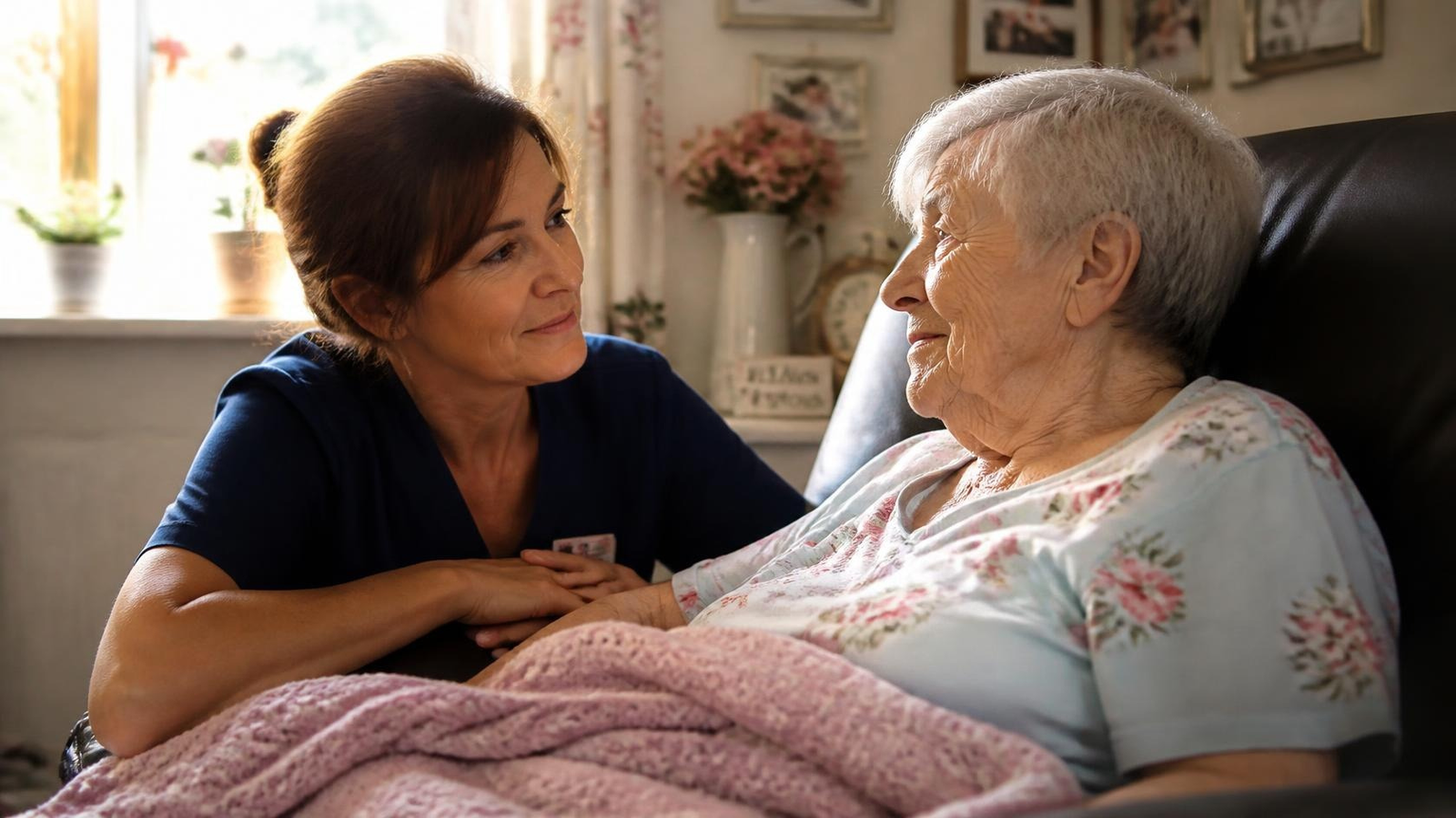
Summary: Dementia care mistakes to avoid: dos and don’ts include rushing, arguing, and testing memory. Simple habits, such as slow speech, steady routines, and low cost picture cues, lower stress for everyone. This guide shares easy, affordable steps drawn from national dementia charities and everyday carer experience.
Caring for someone with dementia brings daily challenges, and small errors can cause real upset. This guide on dementia care mistakes to avoid: dos and don’ts offers simple, low cost steps. You do not need training or expensive tools. Instead, small daily habits make the biggest difference. The tips below come from trusted dementia charities and real carer experience, so you can trust them.

Dementia Care Mistakes to Avoid: Dos and Don’ts in Daily Life
Daily routines shape how calm or stressful each day feels. Therefore, small changes here bring the biggest results.
Dos That Support a Person With Dementia
First, speak slowly and use short, clear sentences. This gives the person time to understand you. Next, keep meals, activities, and bedtime at the same time each day. As a result, routine builds a sense of safety. Also, offer two simple choices instead of open questions. For example, ask Would you like tea or juice, rather than what do you want to drink. Finally, use a large wall calendar to mark daily events. A basic calendar costs very little and helps reduce confusion about the day.
Don’ts That Increase Stress and Confusion
However, some common habits make daily life harder. Do not test memory with direct questions, since this often causes shame. Do not argue over facts that feel true to the person, because this rarely helps and often upsets them. Likewise, do not rush tasks such as dressing or eating. Rushing raises anxiety and can lead to resistance. Instead, allow extra time and stay patient throughout each task.
Dementia Care Mistakes to Avoid: Dos and Don’ts in Communication
Communication often causes the most tension between carers and people with dementia. Fortunately, small wording changes make a big difference.
Low Cost Tools That Improve Communication
For instance, print photo labels for drawers and doors instead of buying costly memory aids. A home printer and old photographs work well for this. In addition, use a simple kitchen timer to build in a short pause before repeating a request. This gives the person time to respond on their own. Meanwhile, local memory cafes and carer groups often run free sessions. These groups build skills without any cost.

Words to Avoid and Better Alternatives
Certain phrases tend to cause distress, even when meant kindly. Instead of pointing out a mistake directly, gently guide the person toward the next step. Instead of correcting a false memory, respond to the feeling behind it. For example, if someone feels scared, comfort them first and adjust facts later. This approach, often called entering their reality, reduces conflict and builds trust.
Frequently Asked Questions
What is the most common mistake in dementia care? The most common mistake is arguing over facts the person cannot recall correctly. This usually raises stress without changing their belief.
How can I afford good dementia care support? Many useful tools cost little or nothing. Printed photo labels, a basic calendar, and free carer helplines all support good care without a large budget.
What are the three golden rules of dementia care? The three rules are do not ask direct questions, listen and learn, and do not contradict. Together, they lower stress for both carer and person.
Why does rushing upset a person with dementia? Rushing removes their sense of control and adds pressure they cannot process quickly. As a result, it often triggers resistance or distress.
Where can I find free dementia care support? National dementia charities, such as Alzheimer’s Society and Dementia UK, offer free helplines. Alzheimer’s Disease International also lists support services worldwide.
Conclusion
Understanding dementia care mistakes to avoid: dos and don’ts helps you build calmer, steadier days. Small, affordable changes, such as photo labels, gentle pauses, and steady routines, protect trust between you and your loved one. Start with one change this week, then build from there. Free support is always available through local carer groups and national dementia helplines.
“Get trusted advice on dementia care at home and practical tips for looking after someone with dementia at home—all in one place.”