
Is Dementia Terminal? What Families Need to Know
SEO Summary: This comprehensive guide explains whether dementia is terminal, covers end-of-life symptoms including terminal agitation and lucidity, and provides practical solutions for home care. Moreover, it explores how adaptive clothing and a comfortable environment benefit patients with terminal dementia. Furthermore, families will discover cost-effective care strategies to maintain dignity and comfort during the final stages.
Reading time: 5-6 minutes
Is Dementia a Terminal Illness?
Yes, dementia is recognised as a terminal illness. Although many families struggle to accept this reality, advanced dementia is a progressive condition that will eventually lead to death. Consequently, understanding this helps families prepare for proper end-of-life care.
Dementia affects the brain first, then gradually impacts the entire body. Therefore, people with advanced dementia face complications like pneumonia, eating difficulties, and infections. Eventually, these complications become life-threatening. Most individuals live with dementia for 8-10 years after diagnosis. However, the timeline varies depending on the type of dementia and other health conditions.
Recognising Terminal Stage Dementia Symptoms

Families often find it difficult to know when their loved one approaches the end. Nevertheless, certain signs indicate the terminal phase has begun. Additionally, recognising these symptoms helps provide appropriate comfort care.
Common End-of-Life Signs
Terminal dementia patients typically experience:
- Complete loss of speech beyond single words
- Inability to walk or move independently
- Total dependence on caregivers for daily tasks
- Severe swallowing difficulties
- Frequent infections, especially chest and urinary tract infections (UTI)
- Refusing food and fluids
- Increased sleeping with periods of unresponsiveness
Importantly, these symptoms often appear in the final weeks or months. Furthermore, the body gradually begins shutting down during this stage.
Terminal Agitation in Dementia Explained
Terminal agitation affects many dementia patients nearing death. Specifically, it involves sudden restlessness, confusion, and distressing behaviour changes. Moreover, it usually occurs within the last two weeks of life.
What Terminal Agitation Looks Like
Patients may display:
- Fidgeting, tossing, and pulling at bedsheets
- Moaning, crying out, or grimacing
- Aggressive outbursts or personality changes
- Hallucinations or increased confusion
- Inability to settle or find comfort
Problem: Terminal agitation causes immense distress for patients and families. Additionally, caregivers often feel helpless watching their loved one suffer.
Solution: Pain management is crucial first. Therefore, speak with the medical team about analgesics before sedatives. Sometimes agitation stems from untreated pain rather than dementia itself. Furthermore, simple comfort measures help considerably. For instance, holding hands, gentle massage, playing calming music, and speaking softly can reduce distress. Additionally, adjusting position and room temperature provides relief.
Terminal Lucidity: Unexpected Moments of Clarity
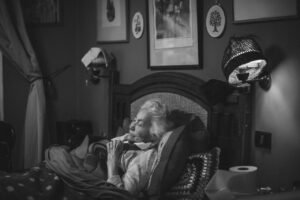
Terminal lucidity describes sudden mental clarity before death. Interestingly, patients who couldn’t communicate for months may briefly recognise family members. Subsequently, they might speak coherently or participate in favourite activities.
Understanding These Precious Moments
These episodes typically last minutes to hours, occurring days or weeks before death. However, not everyone experiences terminal lucidity. Nevertheless, when it happens, families should embrace the opportunity.
Solution: Use these moments wisely. Specifically, share words of love, comfort, and forgiveness. Additionally, allow yourself to enjoy reconnecting without expecting it to last. Furthermore, process the grief afterwards, as seeing the “old self” return then disappear again proves emotionally complex.
Terminal Restlessness Management at Home
Managing restlessness requires patience and practical strategies. Therefore, families caring at home need simple solutions that work.
Cost-Effective Comfort Measures
Problem: Professional care proves expensive, yet families struggle with round-the-clock demands.
Solution: Implement these affordable strategies:
- Check regularly for pain signs like grimacing or moaning
- Raise the bed head with extra pillows for easier breathing
- Use cool washcloths or fans for temperature regulation
- Reposition every few hours to prevent bedsores
- Simplify all tasks to reduce frustration
- Keep the room calm with dim lighting
Additionally, contact hospice services early. Hospice provides equipment, medications, and expert guidance at home, often covered by health insurance.
Why Adaptive Clothing Benefits Terminal Dementia Care
Adaptive clothing transforms daily care during the terminal stage. Specifically, it addresses mobility limitations, dignity concerns, and caregiver strain simultaneously.
The Problem with Regular Clothing
Traditional clothes create multiple challenges:
- Buttons and zippers require fine motor skills that patients lack
- Pulling garments overhead causes pain and resistance
- Lifting patients for dressing risks injury for both parties
- Incontinence care becomes complicated and embarrassing
- Patients feel frustrated and lose remaining independence
How Adaptive Clothing Solves These Issues
Adaptive garments feature:
- Magnetic closures that snap together effortlessly
- Velcro fastenings instead of complicated buttons
- Open-back designs for dressing without lifting
- Elastic waistbands for easy toileting access
- Soft, tagless fabrics prevent skin irritation
Cost-Effective Solution: Adaptive clothing typically costs £30-£70 per item. However, it reduces care time significantly and prevents clothing damage from struggles. Moreover, patients maintain dignity whilst caregivers avoid physical strain and injury.
Adaptive Clothing Benefits for Men with Terminal Dementia

Men with advanced dementia face specific dressing challenges. Consequently, appropriate adaptive wear addresses their unique needs.
Practical Solutions for Men
Problem: Traditional men’s clothing involves stiff fabrics, complex fastenings, and restrictive fits. Additionally, maintaining a masculine appearance matters for self-esteem.
Solution: Choose adaptive options, including:
- Polo shirts with magnetic closures look completely normal
- Open-back shirts allow seated dressing
- Elastic-waist trousers with side zippers for easy access
- Anti-slip socks prevent dangerous falls
- Soft jogging bottoms provide comfort and dignity
Furthermore, men’s adaptive clothing maintains familiar styles. Therefore, patients don’t feel they’re wearing “medical” garments. Additionally, caregivers can dress patients in half the time with less physical effort.
Example: John’s family purchased magnetic-closure polo shirts for his terminal stage care. Previously, dressing took 30 minutes with considerable struggle. Now, it takes 5 minutes, and John remains calm throughout the process.
Adaptive Clothing Benefits for Women with Terminal Dementia

Women require different considerations, particularly regarding modesty and comfort. Moreover, adaptive options preserve femininity and personal style.
Tailored Solutions for Women
Problem: Women’s clothing often involves intricate fastenings, overhead dressing, and modesty concerns. Additionally, incontinence care proves particularly challenging.
Solution: Select adaptive garments, including:
- Front-fastening bras with Velcro or magnetic closures
- Open-back tops and dresses maintain full coverage
- Elastic-waist skirts and trousers for toileting ease
- Soft nightdresses with rear openings for bedbound care
- Dignity-preserving jumpsuits preventing inappropriate disrobing
Moreover, these garments come in attractive patterns and colours. Therefore, women feel more like themselves despite declining abilities. Additionally, familiar clothing reduces confusion and agitation.
Example: Margaret wore beautiful floral dresses throughout her life. Her daughter found adaptive dresses in similar patterns with back openings. Consequently, Margaret looked elegant whilst caregivers could assist her comfortably.
Creating the Right Environment for Terminal Dementia Home Care
The home environment significantly impacts comfort and safety. Therefore, simple modifications make enormous differences.
Essential Environmental Adaptations
Problem: Standard homes contain hazards like slippery floors, poor lighting, and confusing layouts. Additionally, unfamiliar environments increase agitation.
Solution: Make these cost-effective changes:
- Install grab bars in bathrooms (£15-£40 each)
- Remove trip hazards like loose carpets
- Use night lights for safer evening navigation
- Keep rooms at comfortable temperatures (18-21°C)
- Reduce noise and maintain a calm atmosphere
- Display familiar photos and cherished items
Furthermore, familiarity reduces stress considerably. Consequently, keeping patients in their own homes with familiar surroundings often proves better than facility care.
Why Home Environment Matters
Research shows that terminal dementia patients at home experience:
- Lower hospitalisation rates in the final weeks
- Better pain management
- Higher satisfaction for patients and families
- More peaceful deaths surrounded by loved ones
- Reduced costs compared to facility care
Additionally, continuity of care with trusted caregivers provides emotional comfort. Therefore, families should consider home-based hospice whenever possible.
Practical Tips for Terminal Stage Care at Home

Caring for someone with terminal dementia proves challenging. However, these strategies help families provide excellent care.
Daily Care Solutions
Morning Routine:
- Use adaptive clothing for quick, dignified dressing
- Keep rooms well-lit but not harsh
- Play gentle music that they enjoy
- Offer small amounts of preferred foods
Throughout the Day:
- Monitor for pain signs constantly
- Provide regular position changes
- Maintain skin care to prevent sores
- Offer sips of water if they can swallow
Evening Care:
- Create a calm atmosphere with dim lighting
- Use soft bedding and adaptive nightwear
- Stay nearby to provide comfort
- Speak gently, even if they seem unresponsive
Getting Support
Problem: Caregiver burnout threatens both carer and patient wellbeing.
Solution: Access these free resources:
- Alzheimer’s Society helpline and support groups
- Dementia UK Admiral Nurses for specialist advice
- Local hospice teams for medical guidance
- Respite care services for caregiver breaks
- Online forums connecting with other families
Furthermore, accepting help isn’t a weakness—it’s essential for providing sustained, quality care.
When to Consider Hospice Care
Hospice eligibility typically begins when life expectancy reaches six months or less. Moreover, doctors use specific criteria for dementia patients.
Hospice Qualification Signs
Patients usually qualify when experiencing:
- Complete dependence for all activities
- Severe communication loss (six words or fewer)
- Inability to walk without assistance
- Swallowing difficulties with weight loss
- Recurrent infections requiring treatment
Additionally, hospice provides comprehensive support, including:
- Medical equipment like hospital beds
- Pain management medications
- Regular nurse visits
- Caregiver respite services
- Bereavement support for families
Cost Solution: Hospice services are typically covered by the NHS or private insurance. Therefore, families shouldn’t delay due to cost concerns.
Final Thoughts on Terminal Dementia Care
Dementia is indeed a terminal illness requiring compassionate end-of-life care. However, families can provide excellent comfort at home with proper preparation. Moreover, adaptive clothing and environmental modifications dramatically improve quality of life.
Remember that maintaining dignity matters most during this difficult time. Therefore, invest in adaptive garments, create comfortable surroundings, and access available support services. Additionally, cherish any moments of lucidity and connection.
Most importantly, you’re not alone on this journey. Consequently, reach out for help whenever needed. Terminal dementia care challenges even the strongest families, yet proper support makes it manageable.
Key Takeaways:
- Dementia is a progressive terminal illness affecting millions
- Terminal agitation and lucidity are common end-of-life experiences
- Adaptive clothing preserves dignity whilst reducing caregiver burden
- Home environment modifications improve comfort and safety significantly
- Professional hospice support provides invaluable assistance
- Cost-effective solutions exist for quality terminal care
Author Bio: This guide was researched and written by a dementia care specialist with extensive experience supporting families through end-of-life journeys. The information combines medical expertise with practical caregiving wisdom to help families provide compassionate terminal care at home.
“Get trusted advice on dementia care at home and practical tips for caring for someone with dementia at home –all in one place.”