Summary: The best type of music for dementia is music tied to a person’s own past, especially songs from their teenage years and early twenties. Familiar tunes reach the brain even when memory and speech have faded, and they cost nothing to try at home today.
Choosing music for someone with dementia can feel confusing at first. There are so many playlists, apps, and opinions online. However, research and years of care experience point to one clear answer. The best type of music for dementia is not the newest song or the most popular one. It is music that already means something to that person.
This guide explains what actually works, why it works, and how to start today. You do not need a music therapist or expensive equipment. You only need a little patience and a few honest conversations with family.
What Is the Best Type of Music for Dementia?
The best type of music for dementia comes from a person’s own life story. Songs from their teenage years and twenties tend to work best. This is because those years often shape our strongest musical memories.
For example, a woman who loved dancing to Motown as a teenager may still tap her foot to those same songs decades later. Meanwhile, a man who sang hymns every Sunday as a boy may hum along without even trying. Many music collections can be found on YouTube. Simply search the music by decade. ie. 50s & 60s music. These reactions are not random. They come from real memories stored deep in the brain.
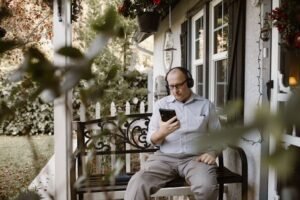
Therefore, before choosing any playlist, ask what mattered to that person growing up. Their answer will guide you far better than any generic relaxation album.
Why Music Memory Lasts Longer in Dementia
Music memory works differently from other types of memory. As a result, it often survives long after names and faces are forgotten.
Musical memory is stored across many parts of the brain rather than in just one place. Consequently, when dementia damages one area, other areas can still hold onto a familiar tune. This is why someone who cannot recall their own address might still sing every word of a childhood song.
In addition, singing and playing music are procedural skills, similar to riding a bike. These skills tend to stay intact longer than memories for facts or events. This explains why a person with advanced dementia might still play the piano fluently, even while struggling with everyday conversation.
How to Choose the Best Type of Music for a Loved One
Picking music should never be a guess. Instead, treat it like gathering clues about a person’s life.
The Best Type of Music From Their Teenage Years
Start by asking family members what songs the person loved as a teenager. Ask about school dances, first record purchases, or songs played at family gatherings. These early memories often form the strongest musical connections of all.

Think About Their Job and Daily Routine
Music linked to work or daily habits can also spark strong reactions. For instance, a former nurse might respond to hospital radio hits from her working years. Similarly, a retired farmer might enjoy country songs he played during long days outdoors.
Test the Volume and Watch Their Reaction
Once you have a few songs, start with a low volume in a quiet room. Watch their face and body language closely. If they smile, relax, or tap along, you have found a winner. If they seem distressed, simply try something else.
Cost Effective Ways to Use Music at Home
You do not need a big budget to bring music into daily care. Here are simple, low cost ideas that families use every day.
Firstly, build a free playlist using apps such as Spotify or YouTube. Most public libraries also lend CDs for free, which suits anyone unfamiliar with streaming.
Secondly, tune an old radio to a station that plays music from their era. Many people find a familiar radio voice more comforting than a smart speaker.
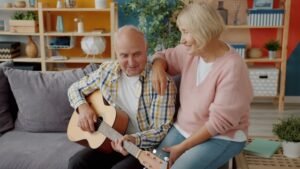
Thirdly, sing together during ordinary tasks. Humming a favourite tune while washing dishes or getting dressed can turn a stressful moment into a calm one.
Finally, ask local charities or care homes about free singing groups. Many communities run these sessions specifically for people living with dementia.
Overall, small and consistent efforts often work better than one expensive session with a professional.
When Professional Music Therapy Helps
Sometimes home efforts are not quite enough. If agitation or distress continues, a qualified music therapist can help.
According to the Alzheimer’s Society, structured music therapy sessions can improve mood and reduce anxiety in people with dementia. A doctor or memory clinic can usually point families toward local, affordable options. Many countries also have a national music therapy association listing registered professionals.

Frequently Asked Questions
What is the best type of music for dementia patients?
Music from a person’s teenage years and early twenties usually works best, since these years often form the strongest musical memories.
Does the best type of music change as dementia progresses?
Not usually. Familiar songs from early life tend to remain effective even in advanced stages of dementia.
Can classical music help if it was not their personal favourite?
It can help some people relax, but personal favourites almost always work better than generic calming music.
How long should a music session last?
Ten to fifteen minutes is often enough. Short, focused sessions tend to work better than background music all day.
Is it safe to try music therapy without a professional?
Yes. Simple activities like singing or playing familiar songs at home are safe and can be started immediately.
What if a song causes distress instead of comfort?
Stop and remove that song from future sessions. Reactions to music can vary, so always watch for signs of discomfort.
Final Thoughts on the Best Type of Music for Dementia
Finding the best type of music for dementia does not require expert training or a large budget. It simply requires listening, asking questions, and paying attention to what brings a smile. Start with one song from their younger years today. You may be surprised how quickly it brings comfort and connection back into your day.
“Get trusted advice on dementia care at home and practical tips for looking after someone with dementia at home—all in one place.”