
Dementia Care at Home Guide: Free Tips for Carers
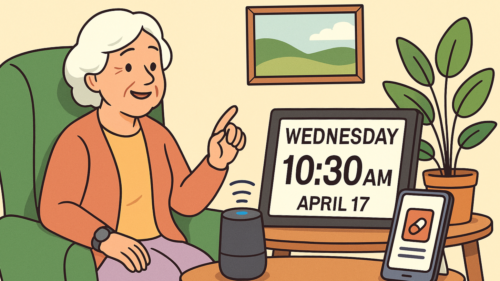
dementia care at home, dementia care support guide

Caring for someone with dementia at home can feel overwhelming, especially in the early days. This dementia care at home guide is here to make that journey easier. Our free resource brings together practical advice, real caregiving experience, and expert informed tips for families supporting a loved one with dementia. Whether you are managing daily routines, adapting your home environment, or handling difficult behaviours, this dementia care at home guide covers every stage of the caregiving journey. From hydration and nutrition to safety, communication, and emotional wellbeing, our articles are written to be clear, actionable, and easy to follow. As a result, caregivers around the world turn to this guide for trustworthy, cost effective solutions they can use straight away. Start exploring our tips below and take the next step towards confident, compassionate dementia care at home.

Primary progressive aphasia life expectancy usually falls between seven and twelve years after the first symptoms appear. This depends on the exact type someone has. The condition rarely causes death on its own. Most people pass away from a related complication, such as pneumonia, rather than from the aphasia itself.

Primary Progressive Aphasia Life Expectancy: What to Know

Primary Progressive Aphasia Life Expectancy Explained Summary: Primary progressive aphasia life expectancy usually falls between…
Read More
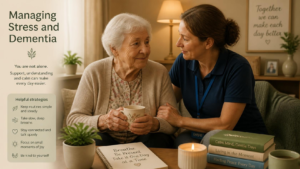
An older adult and a carer sitting together calmly, illustrating how to manage stress and dementia

Does Stress Make Dementia Worse? The Full Answer

Quick Answer. Yes, ongoing stress can make dementia worse. It raises a hormone called cortisol…
Read More

10 Signs Death Is Near in Dementia: What to Expect

Quick summary: The main signs death is near in dementia include long periods of sleep…
Read More

Alzheimer's disease often begins developing decades before symptoms appear, but around 95 percent of cases are linked to lifestyle rather than genetics. Regular resistance training, good sleep, blood pressure control, and targeted nutrition, including creatine and omega 3, can meaningfully lower risk. Women face a higher risk than men, largely tied to hormonal changes. This guide explains what the science says and what you can do about it, wherever in the world you live.

Alzheimer’s Disease Prevention Starts in Your 30s

Summary: Alzheimer’s disease often begins developing decades before symptoms appear, but around 95% of cases…
Read More

Adaptive Clothing for Men with Dementia: A Complete Guide

Quick summary: Adaptive clothing for men with dementia uses magnetic closures, elastic waists, and open…
Read More

error: Content is protected !!